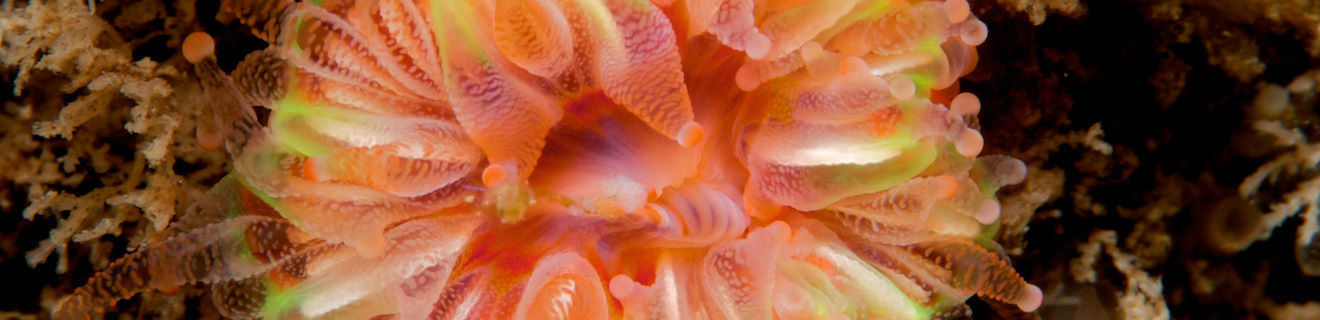
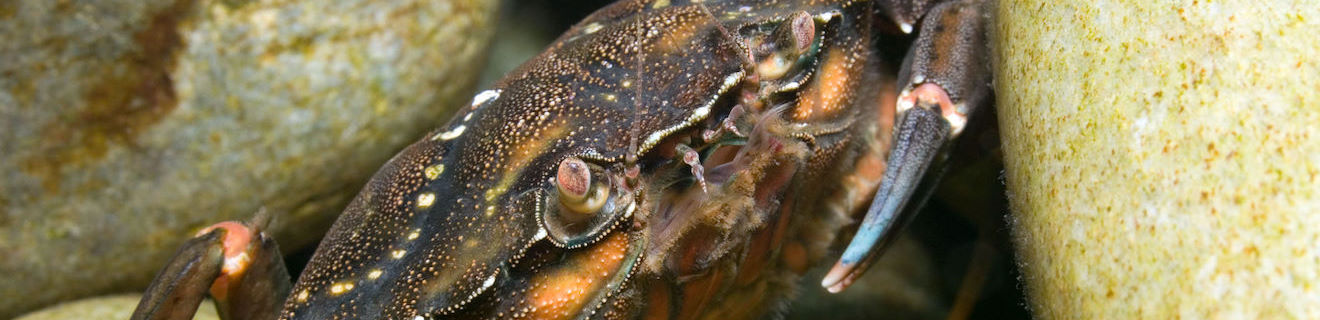
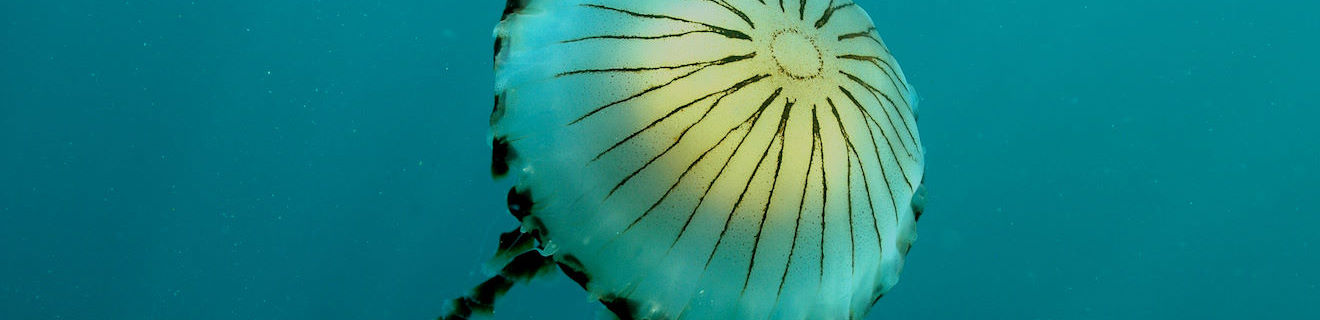
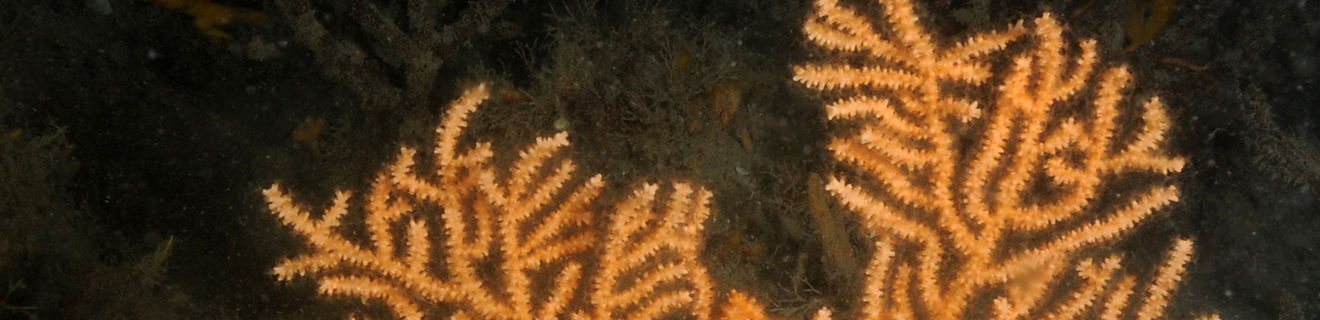
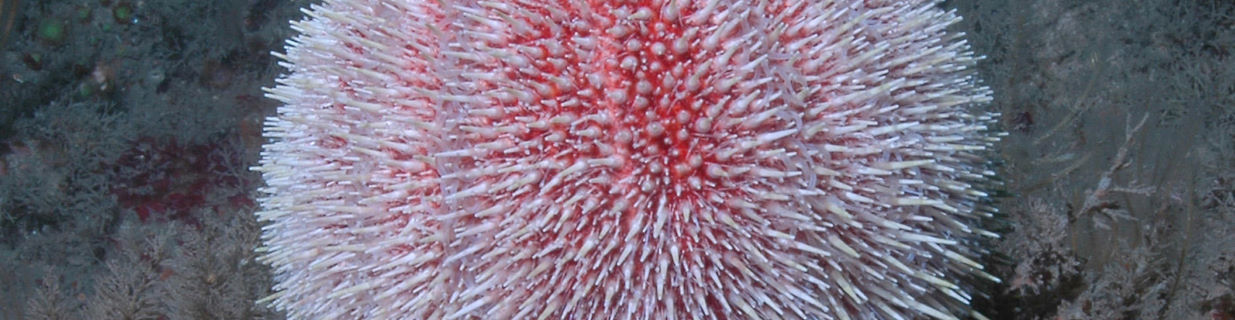
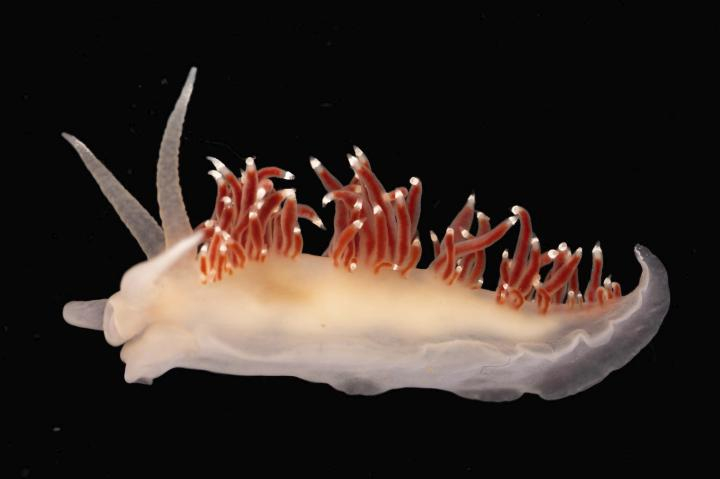
 Coryphella browni Studio shot. © Bernard Picton
In early June a nudibranch course was run on the island, the first marine species identification course for over 40 years! Organised by Robert Irving and led by NE Atlantic nudibranch expert Bernard Picton, ten participants signed up for the course, six of whom were divers.
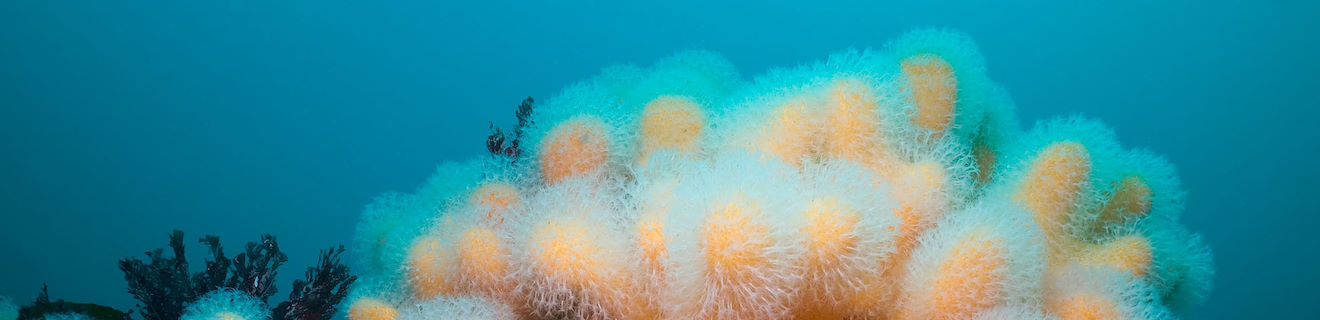
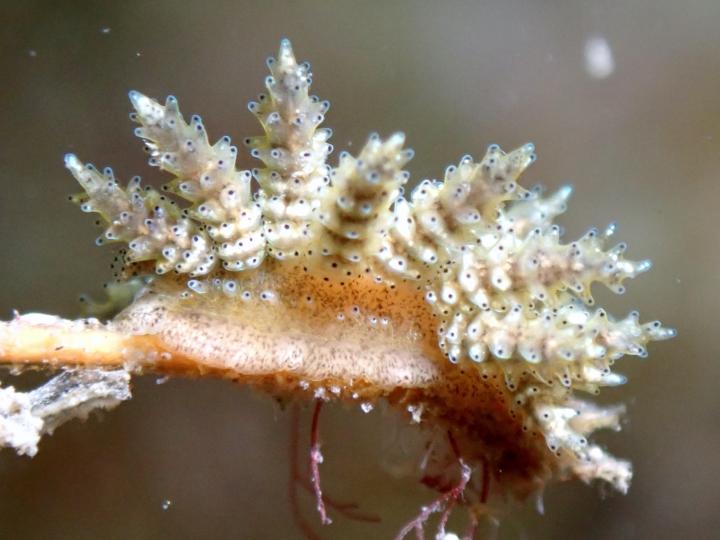 Doto pinnatifida © Alastair Skeene
 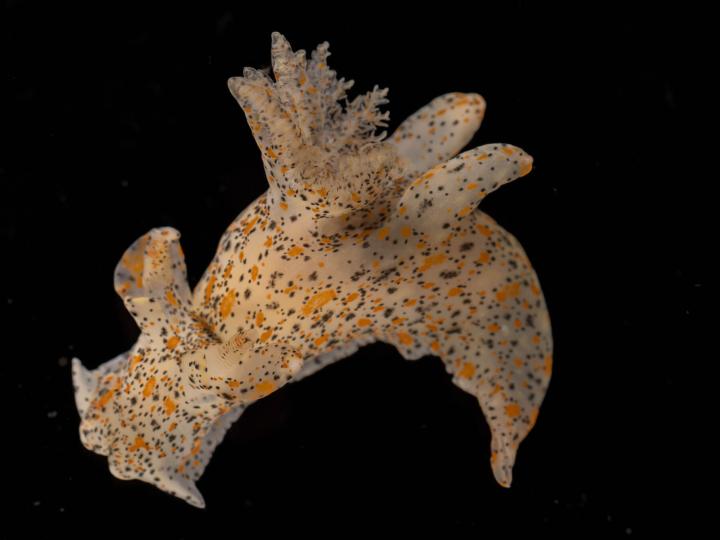 Thecacera pennigera Studio shot. © Bernard Picton
 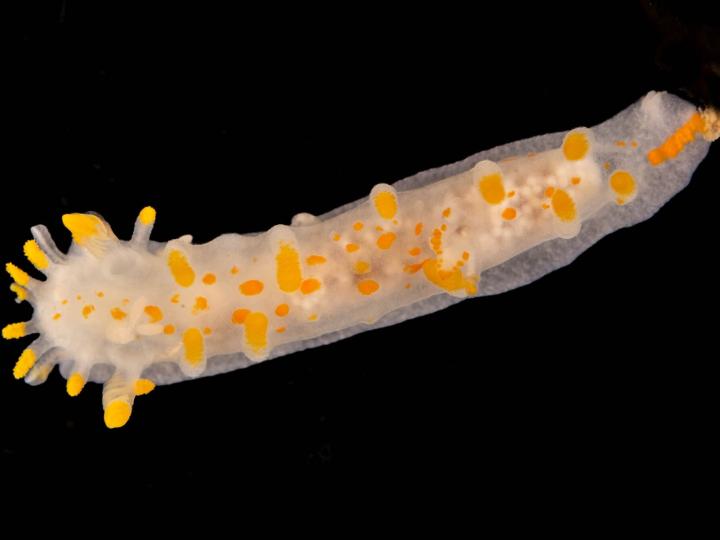 Limacia clavigera Studio shot. ©Bernard Picton
Sadly, the four days chosen to run the course coincided with a period of unseasonally strong westerly winds which meant that boat diving was restricted to just two sites on one day. Even so, coupled with another few dives under the jetty and some rummaging around the low water mark of the Devil’s Kitchen, the group encountered 27 species of opisthobranchs (the ‘parent’ grouping to which nudibranchs belong). Some of the more flambuoyant are illustrated here.
The last time nudibranchs were studied in such detail was in 1975 during the process of acquiring an inventory of all species around the island, in the days of the voluntary marine nature reserve. At that time, a total of 47 opisthobranchs were found. Interestingly, several of the species encountered in 2026 had not been recorded around the island before and are known to be ‘southern species’ with their distributions now beginning to extend further northwards around the British Isles.
A full report on the outcomes of the Lundy Nudibranch Course 2026 will be published in the Journal of the Lundy Field Society in 2027.