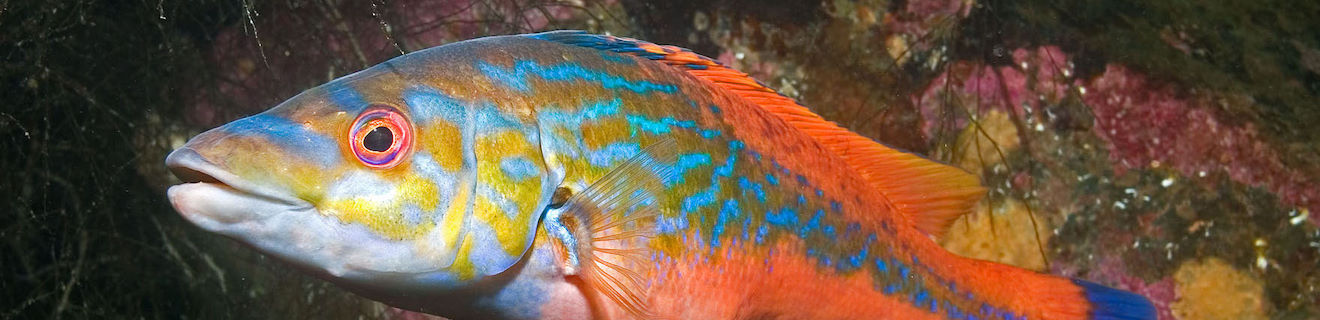
• Cuckoo Wrasse

    Cuckoo wrasse Labrus mixtus © Paul Kay

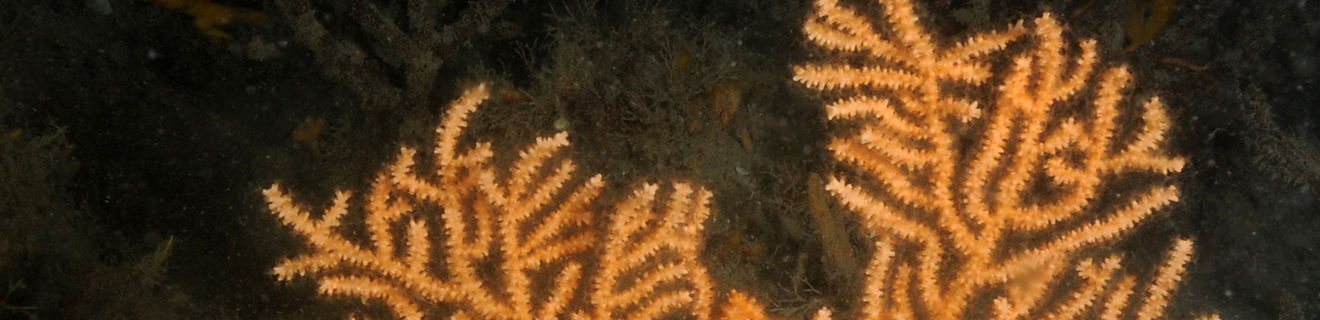
  • Pink sea fan

    Pink sea fan Eunicella verrucosa © Keith Hiscock

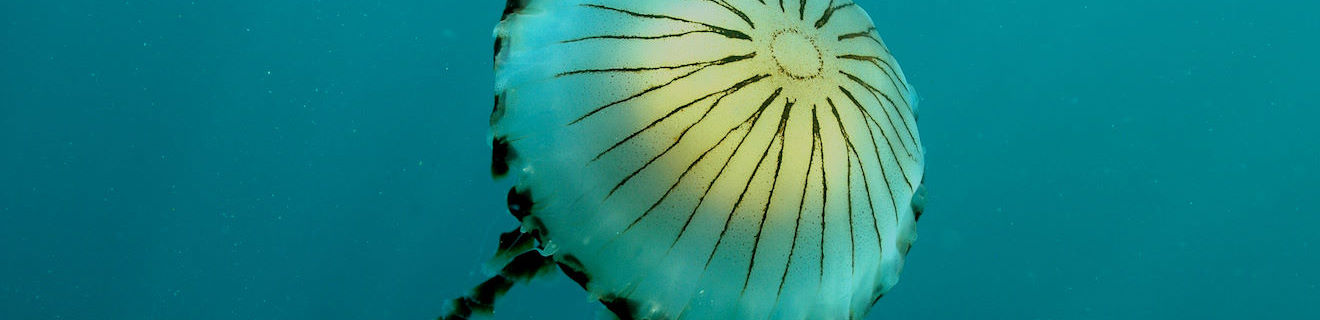
  • Compass Jellyfish

    Compass Jellyfish Chrysaora hysoscella© Keith Hiscock

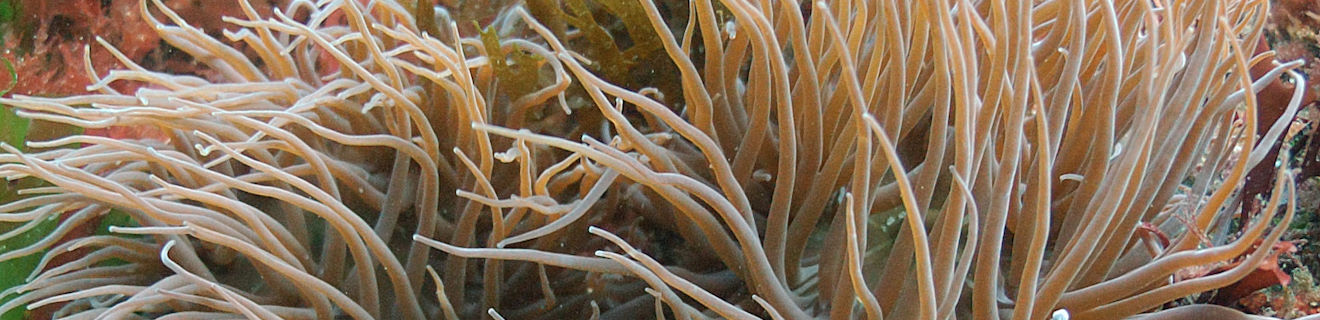
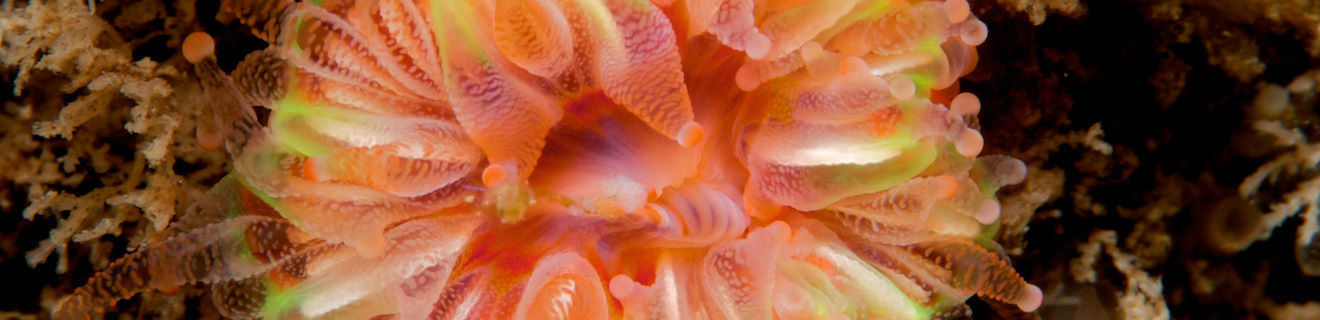
  • Snakelocks anemone

    Snakelocks anemone Urticina felina © Mike Deaton

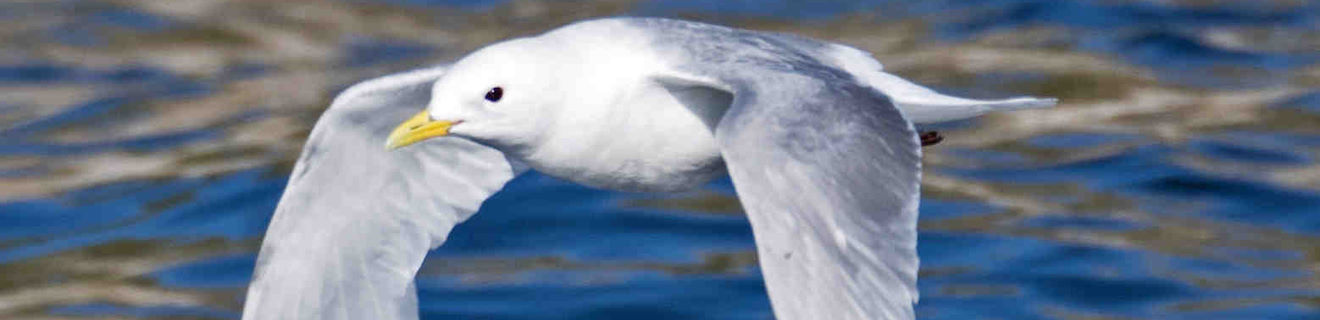
  • Black-legged Kittiwake

    Black-legged Kittiwake Rissa tridactyla © Rick Morris

  • Devonshire cup coral

    Devonshire cup coral Caryophyllia smithii © Mark Lavington

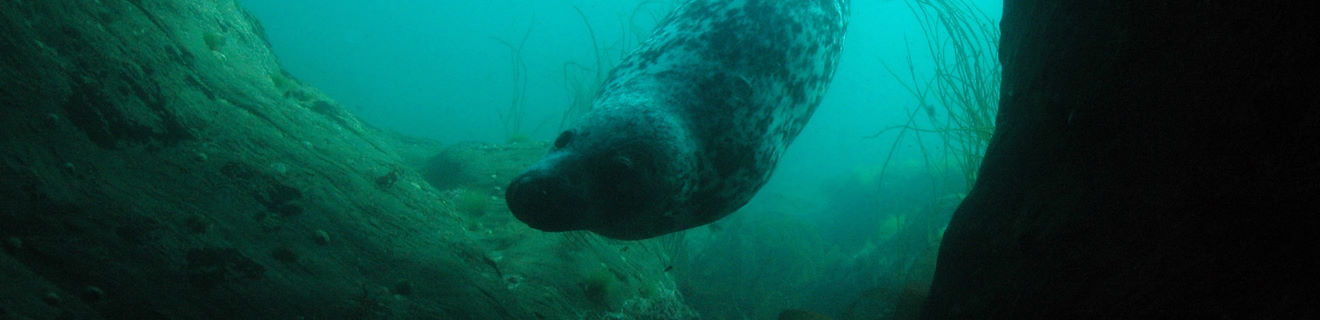
  • Grey Seal

    Grey seal Halichoerus grypus © Keith Hiscock

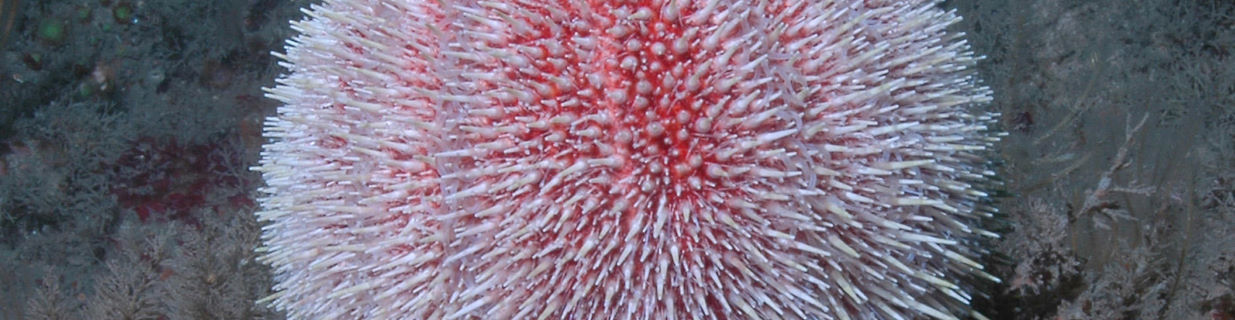
  • Edible sea urchin

    Edible sea urchin Echinus esculentus © Keith Hiscock

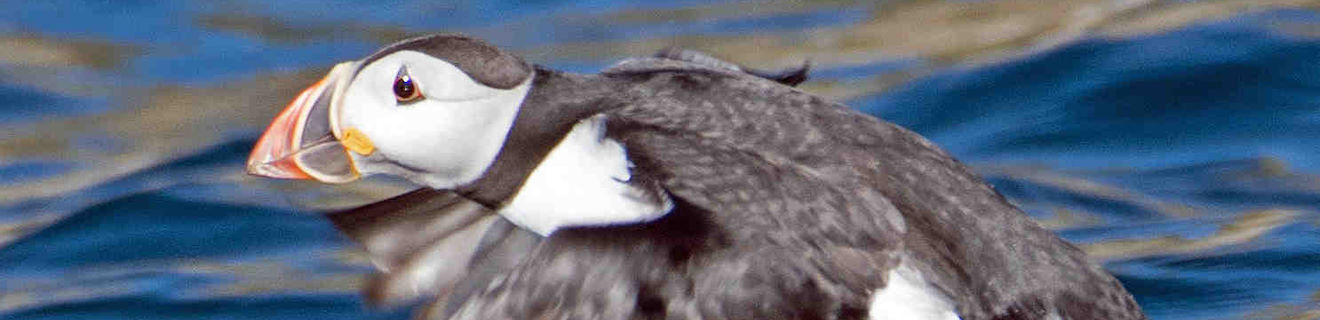
  • Atlantic Puffin

    Atlantic Puffin Fratercula arctica © Rick Morris

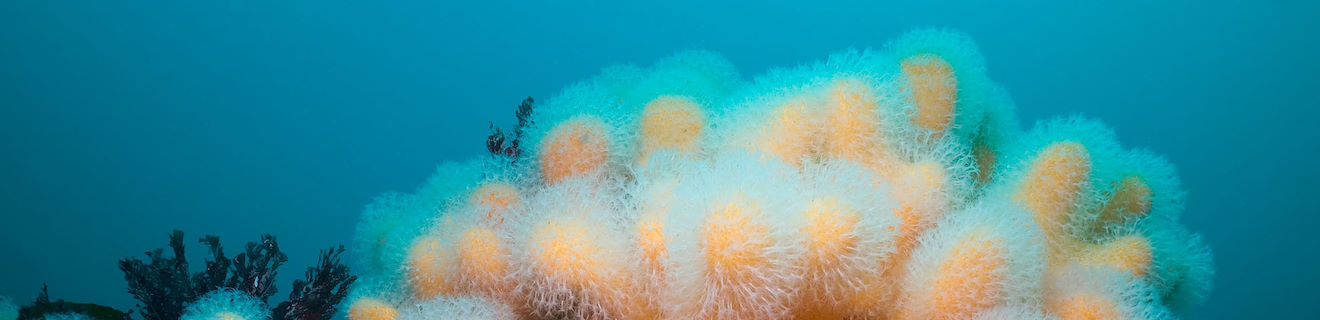
  • Dead mens fingers

    Dead mens fingers Alcyonium digitatum © Paul Kay

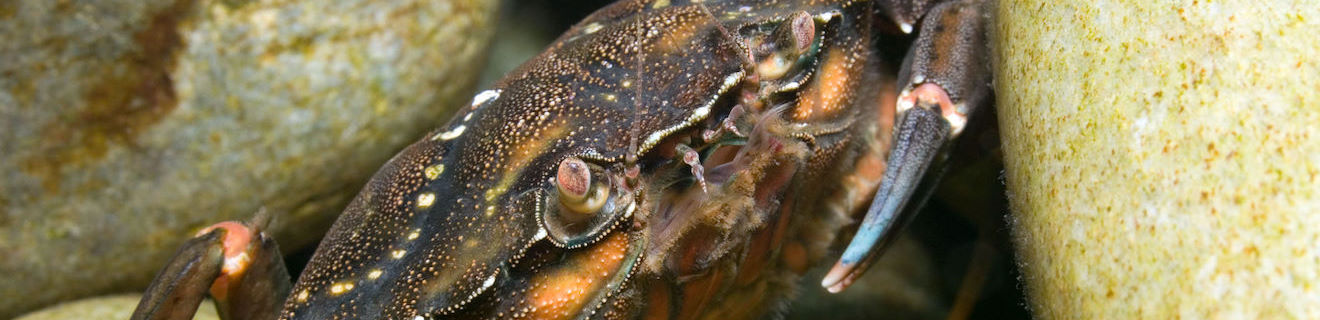
  • Gree Shore Crab

    Green shore crab Carcinus meanas © Paul Kay

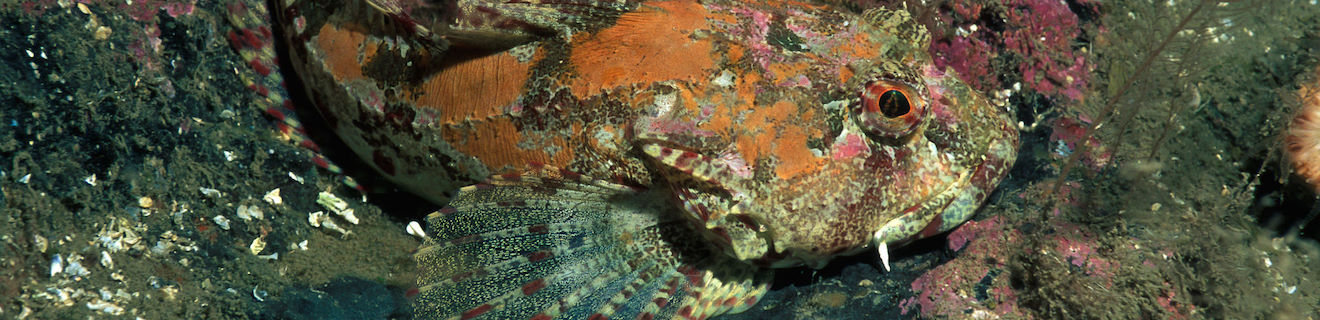
  • Long-spined sea scorpion

    Long-spined sea scorpion Taurulus bubalis © Paul Kay

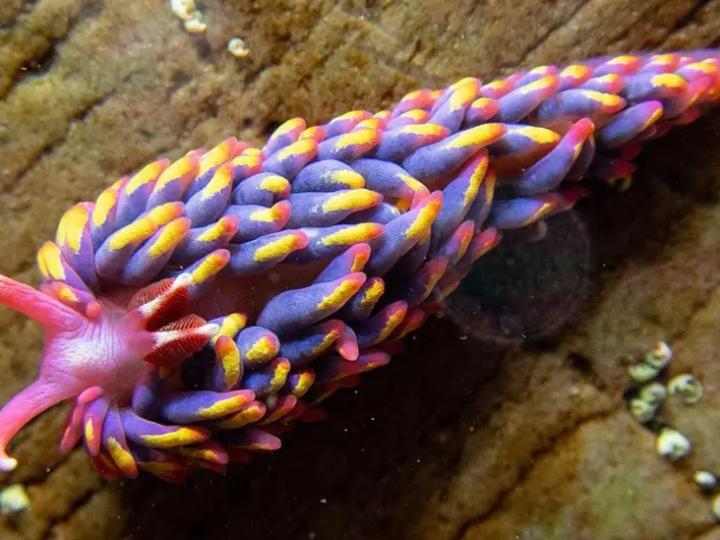
The rainbow sea slug <i>Babakina anadoni</i> The Rattles, Lundy © Paul NaylorThe rainbow sea slug Babakina anadoni The Rattles, Lundy © Paul Naylor  
Following on from the Nudibranch Course (see entry below), there have been two exciting sightings of nudibranchs new to the MPA. The first was seen by Joel Edwards, a member of the local Ilfracombe & North Devon BSAC diving club, during a club dive in the Rattles off the south coast of Lundy in July . His find, the rainbow sea slug Babakina anadoni, was first recorded in Britain from the Isles of Scilly in 2022 and a little later on the shore in Cornwall and at Wembury in South Devon, so we were hoping it wouldn’t be too long before it was found at Lundy. It’s a warm-water species typically found from Gibraltar to NW France, with its range now seeming to be extending northwards.
 
 
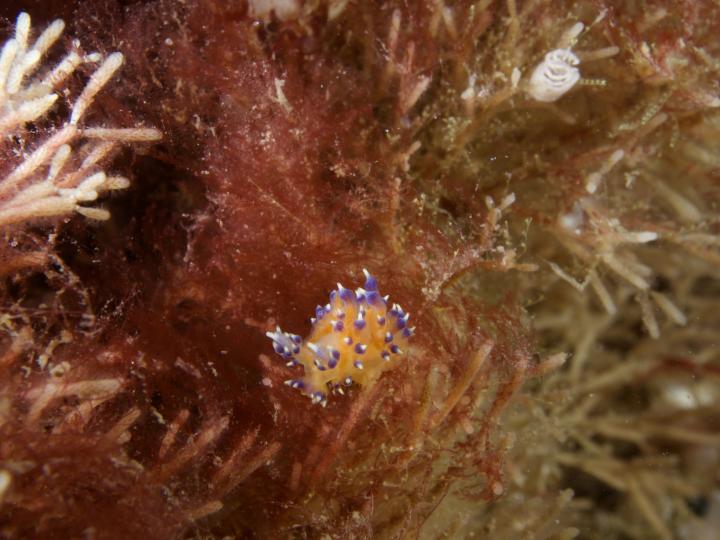
Nudibranch sp indet poss Lomanotus sp on Cellaria sp Lundy Maggs Ashton2Nudibranch sp indet poss Lomanotus sp on Cellaria sp Lundy Maggs Ashton Nudibranch sp indet poss Lomanotus sp on Cellaria sp Lundy Maggs Ashton1The same specimen, in close-up. ©Maggs Ashton
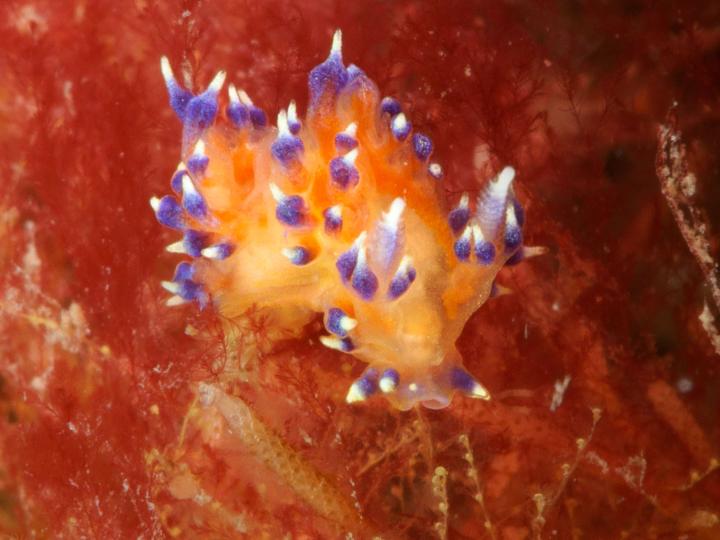
The second sighting was by Maggs Ashton, a long-time member of the Ilfracombe Club, on 13th August. Maggs explained: “Tiny but missable, the vibrant colours of this beautiful nudibranch stood out against the red weed. The individual was 15mm long and found at a depth of 20 metres.” It was not a species she was familiar with, so she sent her photographs of it to Dr Keith Hiscock, an Associate Fellow at the Marine Biological Association in Plymouth to see if he might know what it was. It was also one which Keith was unfamiliar with, so he forwarded the photos on to Bernard Picton. Bernard too was flummoxed, with a closest possibility being an unknown species of Lomanotus. Maggs’s discovery was even taken up by the BBC and featured on the homepage of their website for a couple of days.

It may be a few months (if not years) before this mystery slug is identified. Well spotted, Maggs!


This website has been kindly sponsored by the following organisations:

LFSlogo128bigger Historic England 120 Blue Marine Foundation low resNatEng logo New Green LGE National Trust LMNTrgb North Devon Biosphere